
2011 - Music for Interior Castles; The Life of Saint Teresa de Avila

Inspired by Bernini’s ecstasy of Saint Teresa de Avila, de Jesús’ creates a musical biography based on “The Life”, Avila’s confession that is the most valuable text of Christian Mysticism. In this album de Jesús explores Teresa as a young girl exploring themes of love and spiritual phantasmagoria. The album is in itself a celebration of the experience of ecstasy; The marriage of the soul and the body overwhelmed by the touch of divination. 

The genesis of this project can be traced back to a moment of artistic revelation—a viewing of Simon Schama's "Power of Art" series, where the masterworks of Bernini left an indelible mark on my creative psyche. In particular, his breathtaking interpretation of Saint Teresa of Avila ignited a curiosity within me, leading me to delve into her life story with fervent fascination.

As I delved deeper into the life of Saint Teresa, I found myself captivated by her journey—a journey marked by fervent faith, divine revelation, and the unyielding pursuit of spiritual truth. Her writings, steeped in mysticism and introspection, offered a glimpse into a world beyond the confines of conventional understanding—a world where the divine intersected with the human in profound and ineffable ways.

Inspired by her story, I embarked on a multifaceted project—a marriage of visual art, music, and performance—an endeavor to capture the essence of Saint Teresa's spiritual odyssey through the lens of my own creative vision.

Immersing myself in her writings, particularly "La Vida," I found myself drawn to her humility, her self-effacement, and her unwavering devotion to her faith. In her words, I saw reflections of my own struggles with self-doubt and repression—a shared journey of grappling with the complexities of identity and belief.

Yet, as I poured myself into this project, I found my vision overshadowed by the ambitions of others—namely, Ted Richardson, whose motivations veered far from the spiritual exploration that had initially inspired me. What began as a deeply personal endeavor soon became entangled in the web of his narcissism and manipulation—a stark reminder of the perils of creative collaboration.

Despite the obstacles, "Music for Interior Castles" took shape—a testament to resilience, determination, and the transformative power of artistic expression. With the contributions of talented musicians like Darren Keith and Brett Keller, the album blossomed into a rich tapestry of sound—a testament to the enduring legacy of Saint Teresa and her profound impact on my creative journey.



2010 - Hymns of the New Age

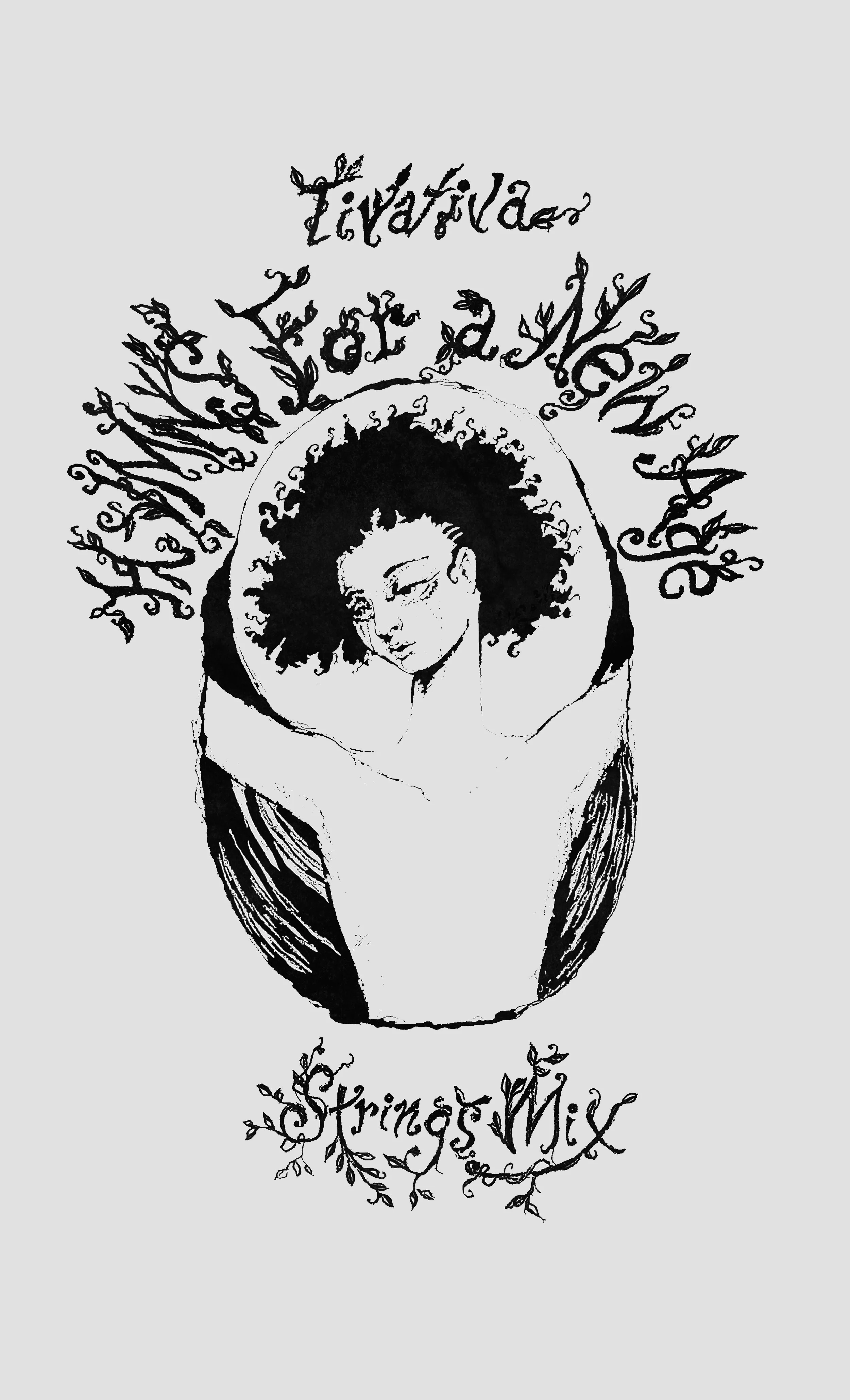
This demo never saw its initial manifestation of de jesus’ first electronic album, but all of the ideas and lusciousness of the strings are captured brilliantly in this lo-fi production. An illustration of life after death, Hymns breaks down the barriers between pop and sacred music to create a vision of the netherworld that is luminous. 

In the midst of my journey away from the confines of the Evangelical Church, I found myself delving into the depths of spirituality with a newfound curiosity. It was during this period of exploration that the concept of "Hymns for the New Age" began to take shape—an album aimed at unraveling the emotional intricacies of spirituality beyond the constraints of organized religion.

As I immersed myself in research, delving into the genesis of the Bible and the history of Christianity in the United States, I confronted uncomfortable truths about the roots of the Evangelical Church. Disillusioned by its ties to racism and white supremacy, I began to distance myself from its teachings, seeking a spirituality devoid of hate and bigotry.

The songs of "Hymns for the New Age" were born from this tumultuous period of introspection, inspired by a vision of a future where spirituality transcends doctrine and division. I yearned to explore the emotional resonance of spirituality, free from the confines of liturgical traditions and the dogma of organized religion.

As I grappled with my own identity as a queer individual, I pondered the intersection of faith and sexuality, witnessing the struggles of others in reconciling their beliefs with their true selves. In envisioning a new future of divine experience, I sought to create hymns untainted by politics, racism, and homophobia—a testament to the inherent beauty of the human spirit.

Sonically, "Hymns for the New Age" existed as a raw and unpolished demo, a reflection of the constraints of time and resources. Recorded in the humble confines of my Philadelphia apartment, with nothing more than a SM57 microphone and a small Mbox attached to my laptop, the album exuded a lo-fi sensibility. Yet, amidst its rough edges, there lay a jubilance in the strings and a newfound confidence in my vocals, as I pushed myself to new heights of virtuosity.


2006 - From the Subconscious

This debut album was a music collection written in Dejesus’ teens. Triumphant in its approach to modern rock, From the Subconscious married classical stylings with soaring vocals and heavy guitar riffs. 

Songs from the Subconscious transports me back to my college days, a time when the notion of pursuing music professionally was but a distant idea. It wasn't until I found myself immersed in an illustration class that the seeds of possibility were sown.

I was already dabbling in songwriting and recording, albeit purely for pleasure rather than any serious endeavor. Playing in other bands felt natural, but the notion of claiming my own voice as a songwriter seemed a far-off horizon. Then came the assignment that changed everything.

Tasked with developing an illustrated album cover, I saw an opportunity to merge my passion for music with my artistic pursuits. With a penchant for watercolors, I embarked on the project, little knowing the twist fate had in store.

Midway through the assignment, the revelation struck: we were to present our music alongside the visual representation. Panic seized me as I grappled with the idea of sharing my intimate creations with my peers. Yet, with bated breath and trembling hands, I played my songs.

To my astonishment, my classmates responded with genuine enthusiasm, sparking a newfound belief in the potential of my music. Encouraged by their feedback, I dared to envision a future beyond mere hobbyism.

Fuelled by newfound confidence, I crafted an elaborate CD package, adorned with my illustrations, and set out to entice local record labels in Philadelphia. Though my initial motive was to showcase my graphic design skills, fate had other plans.

Enter Ted Richardson, a figure whose portrayal as a record label owner belied the reality of his private recording studio. Despite the discrepancy, I was drawn to his enthusiasm for my music and his promise of collaboration. And so, our partnership began.

Under Ted's guidance, my songs underwent a transformation, morphing from private musings into polished tracks fit for radio airplay. "From the Subconscious," my debut album released in 2006, bore the imprint of our collaboration, blending elements of modern rock with my ethereal vocals and cello playing at the center.

Yet, as the years unfolded, cracks began to appear in our professional relationship, revealing Ted's narcissistic tendencies and controlling nature. The initial thrill of collaboration waned, replaced by disillusionment and discord.

Amidst the tumult, one track stands out: "Damn." Rooted in a poignant reflection of my internal turmoil, the song encapsulated the conflict between my Evangelical upbringing and burgeoning realization of my homosexuality. It served as a conduit for emotions too complex to articulate, a window into the depths of my subconscious.

Looking back, I see "From the Subconscious" as more than just an album—it's a testament to my journey of self-discovery, a snapshot of a tumultuous period marked by longing, conflict, and the pursuit of authenticity.